

Mont Aiguille, the inaccessible peak of the Vercors
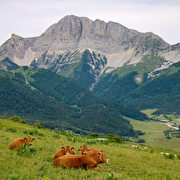
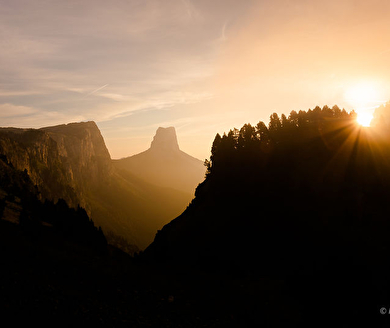
The famous Mont Aiguille stands as the emblem of Trièves, a natural wonder and, in a manner of speaking, a historical monument! Rising 2,087 metres, this limestone peak’s unique profile dominates the Hauts Plateaux du Vercors Nature Reserve, offering panoramic views across the Vercors and Alpine landscapes.
A definite highlight of any French itinerary, Mont Aiguille near Chichilianne makes for an unmissable stop when exploring Isère. Hikers can walk to the base of its impressive cliffs, while for climbing and mountaineering enthusiasts, conquering this legendary mountain offers an even more thrilling experience.
Iconic peak of the Vercors
This emblematic mountain is in the Vercors massif, a mountain range in the French Prealps.
Long known as the ‘inaccessible mountain’ due to its pyramid shape and steep cliffs, it was finally scaled in 1492 by Antoine de Ville, a squire of King Charles VIII of France, accompanied on foot by a local guide.
This date marks the beginning of mountaineering in France. Since then, Mont Aiguille has always been a favourite spot for mountaineers and hikers looking for a unique experience.
Well known for its geological history, Mont Aiguille is composed of sedimentary rock dating from the Mesozoic era, around 150 million years ago. The mountain was formed by glacial erosion, which sculpted its distinct pyramid shape with its summit plateau. Its unique geology also makes it a place of interest for geologists and scientists.

A protected mountain
Mont Aiguille is located in the Hauts Plateaux du Vercors nature reserve, a protected area established in 1970. Spanning 17,000 hectares, it is one of the largest nature reserves in France.
This reserve was created to safeguard the remarkable natural heritage of the Vercors massif and is home to a rich and diverse biodiversity, including rare and endangered species such as the black grouse, chamois, and ibex.
The Vercors Regional Nature Park manages the reserve and works to promote sustainable and responsible tourism. The preservation of the area provides visitors with an experience of wild and protected nature while preserving the region’s exceptional biodiversity for future generations.

Admire Mont Aiguille from every angle: hiking, cycling or mountaineering.